 Money Tree
By Money Tree team,
How to budget on an irregular income
Short answer: base your budget on a low-income month, not a good one. Cover essentials first, then fun and savings, and treat anything above that level as extra. A buffer to smooth the gaps between pay days makes slow months easier to handle.
When income changes every month, a standard monthly budget doesn't fit. The goal is a plan that still works in a quiet month.
Step 1: Find your baseline
Look back over the last six to twelve months. Find the lowest month, or take a conservative average. That's the income your plan is built on.
Step 2: List your essentials
Rent, utilities, groceries, transport, insurance, minimum repayments. These come first, every time.
Step 3: Pay yourself a steady amount
Many people move a fixed amount into their everyday account on a regular date, and let the rest build up in a holding account. It turns lumpy income into something that feels like a wage.
Step 4: Build a buffer
A larger cushion gives slow months room. Many people aim for more than someone on a steady wage would, because the gaps are real.
Step 5: Decide what happens to a good month
Agree on a rule before the money arrives: part to the buffer, part to goals, part to spend.
A worked example
| Month | Income | Plan |
|---|---|---|
| Slow month | $2,200 | Baseline |
| Average month | $3,000 | Baseline + $800 |
| Busy month | $4,200 | Baseline + $2,000 |
If the plan runs on $2,200, a slow month is covered. The extra from other months goes to the buffer and goals, then to spending.
Common mistakes
- Budgeting on the best month. It makes every other month feel like failure.
- Spending the gap. A busy month isn't a normal month.
- Forgetting tax and set-asides. Put money aside as it arrives.
- No buffer. A cushion turns a slow month into an inconvenience.
How to do it in Money Tree
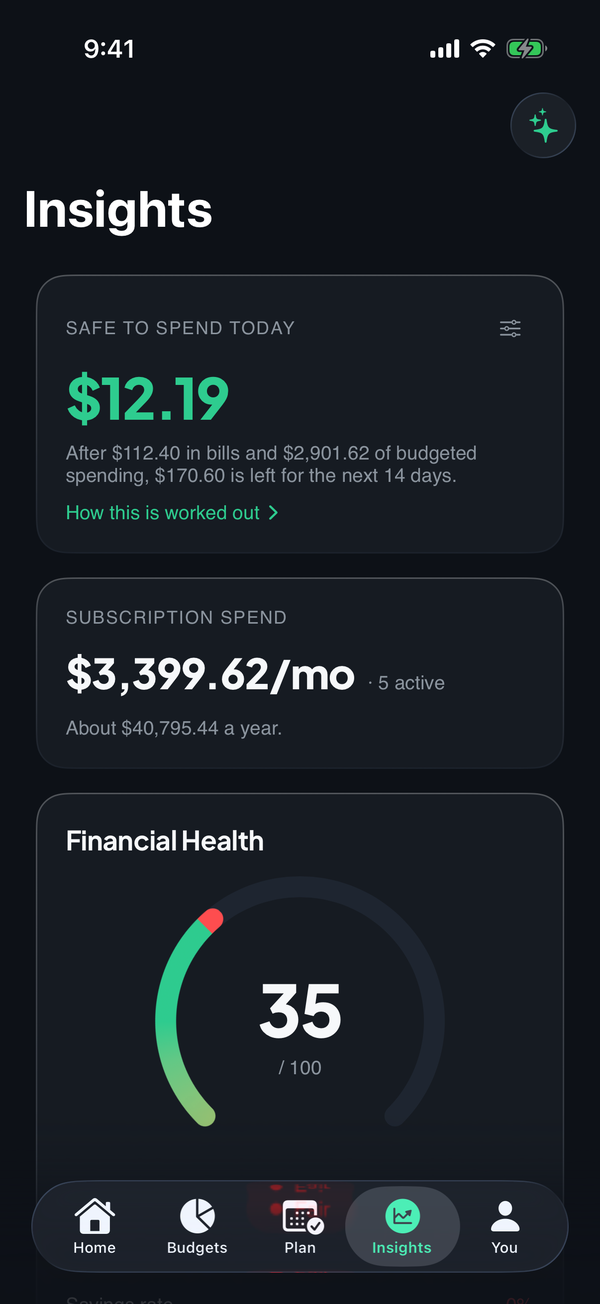
- See what's safe to spend today. Safe to Spend shows one number for today after upcoming bills, budgets and a buffer you choose.
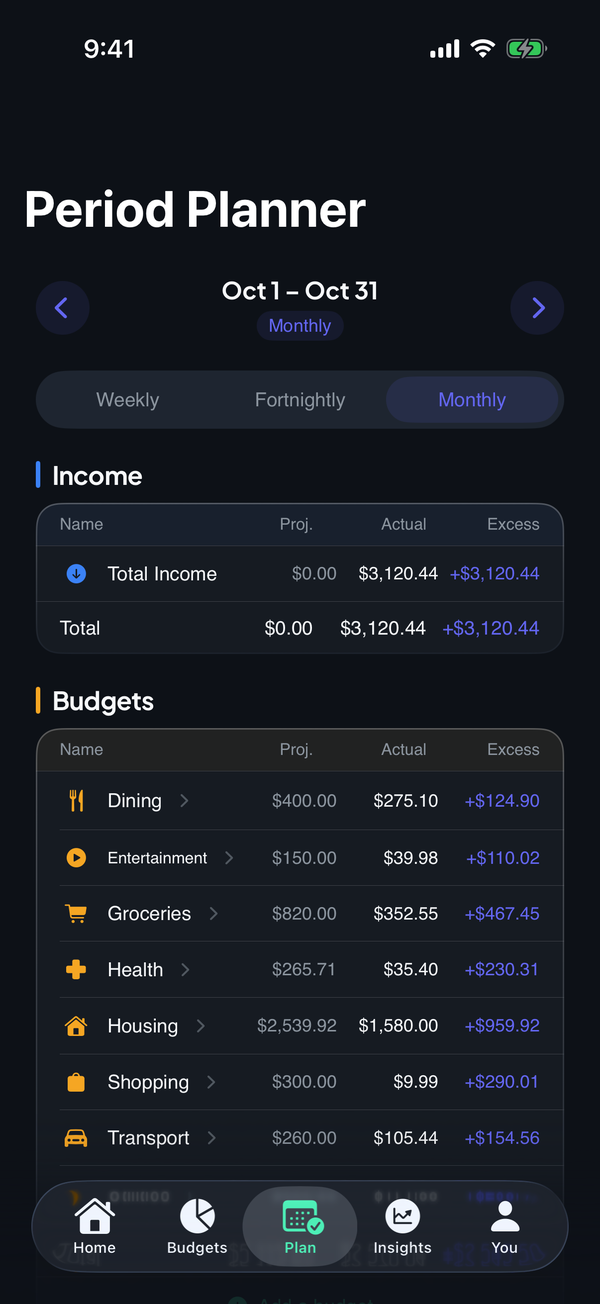
- Plan the pay period. The pay-period planner sets your income against budgets and upcoming bills, so you can see how a smaller month looks.
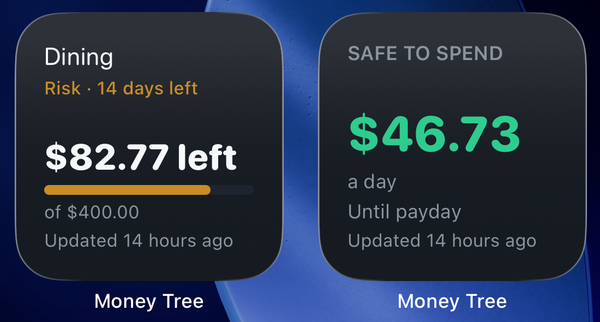
- Keep it in view. The home-screen widgets show Safe to Spend and your budgets at a glance.
See what Money Tree does or download it on the App Store. New users get a 7-day trial of every feature.
Frequently asked questions
How do I budget with irregular income? Base your plan on a low-income month, cover essentials first, and treat anything above that as extra to save or spend. Many people also keep a buffer to smooth the gaps.
What should I base my budget on if income changes every month? Many people use the lowest month from the last six to twelve, or a conservative average. The aim is a plan that works even in a slow month.
Should I keep a bigger buffer if my income varies? Many people with variable income aim for a larger cushion, because a slow month is more likely. How much depends on your costs and how much your income swings.
Money Tree is a personal finance tool, not financial advice. This article is general information and doesn't take your circumstances into account.