 Money Tree
By Money Tree team,
How to save $1,200 for a holiday in 24 weeks
Short answer: pick the total, divide it by the weeks you have, and move that amount on payday. As an example, $1,200 over 24 weeks is $50 a week. Put it in its own goal so you can watch it grow, and the trip stops being a "someday" and becomes a date.
You see a photo of a beach. A friend says "we should go." You check the flights and think, "maybe next year."
Next year comes, and the money still isn't there. Not because you can't save, but because there was never a number. A holiday with no price tag is just a daydream.
Step 1: Put a price on the trip
Write down everything the trip needs. Be a little generous.
| Cost | Example |
|---|---|
| Flights or fuel | $450 |
| Somewhere to stay | $400 |
| Food | $200 |
| Spending money | $150 |
| Total | $1,200 |
These are example numbers. Yours will be different. The point is to end up with one total you can aim at.
Step 2: Do the maths
Take the total and divide it by the weeks until you go.
$1,200 divided by 24 weeks is $50 a week.
If 24 weeks is too long, here is how the same trip looks over other times:
| Weeks | Amount a week |
|---|---|
| 12 | $100 |
| 24 | $50 |
| 48 | $25 |
A smaller amount for longer is easier to keep. A bigger amount for less time gets you there sooner. Both work. Pick the one that fits.
Step 3: Find the $50
This is the part that stops most people. Three places many people look:
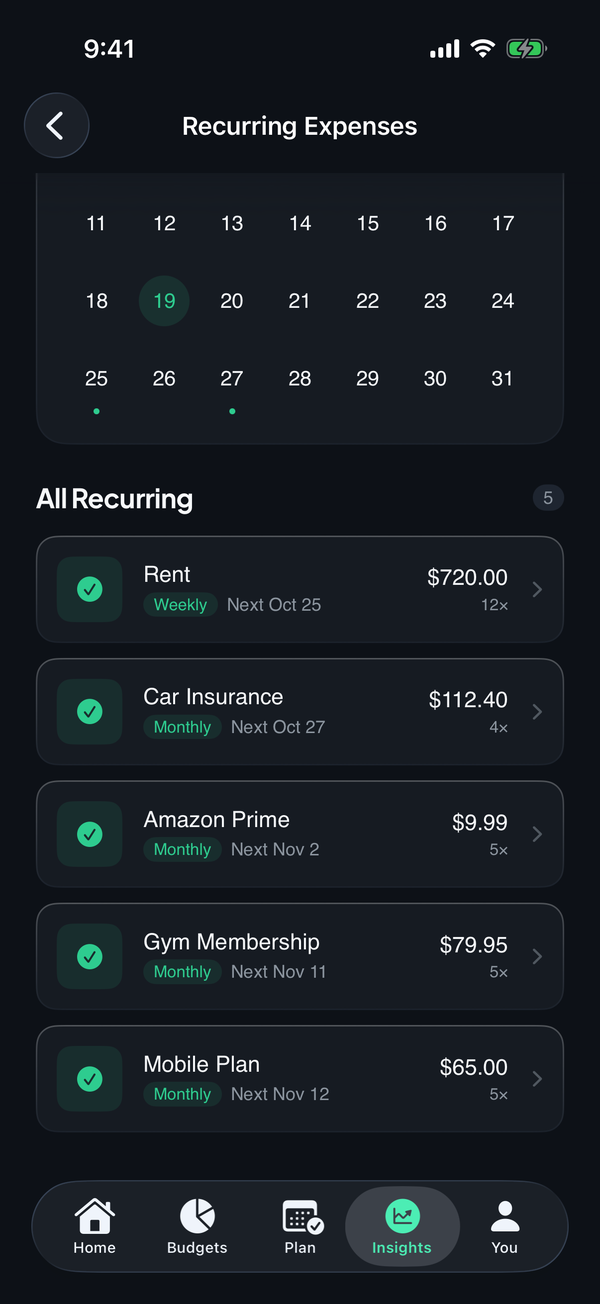
- Subscriptions you forgot. Check the last two bank statements. One forgotten renewal can cover a good part of the weekly amount.
- One no-spend day a week. Skip the coffee, the takeaway and the "just a look" at the shops. Twelve of those days add up.
- Save first, spend after. Move the $50 on payday, before you can spend it. Money you never see is money you never miss.
Where it goes wrong
- No separate pot. Holiday money sitting next to your spending money gets spent. Give it its own goal.
- A number that is too tight. If $50 a week is a stretch, use $30 and go a little later. A plan you keep beats one you drop.
- Forgetting the small costs. Parking, bags and the airport coffee are real. Add a little slack.
- Never looking. A goal you check once a month is easy to forget. Glance at it each week.
How to do it in Money Tree
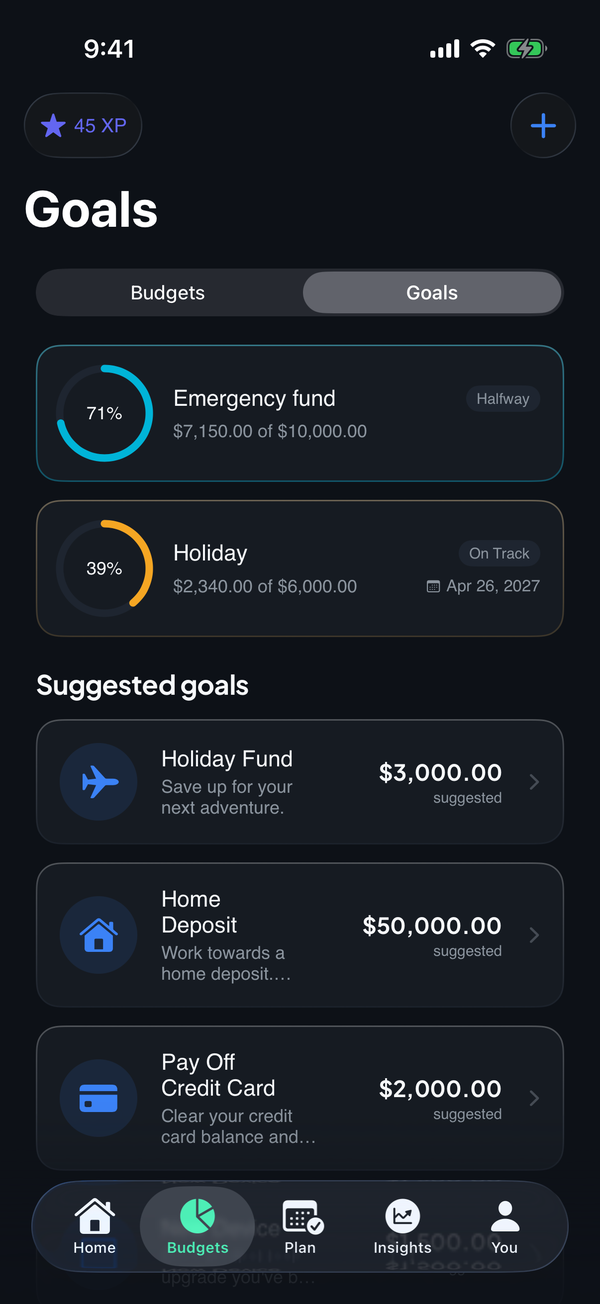
- Make it a savings goal. Add a goal called "Holiday," set the amount and the date. Money Tree also suggests goals to get you started.
- Spot where the money can come from. The recurring list shows your subscriptions and bills, so you can see what is worth keeping.
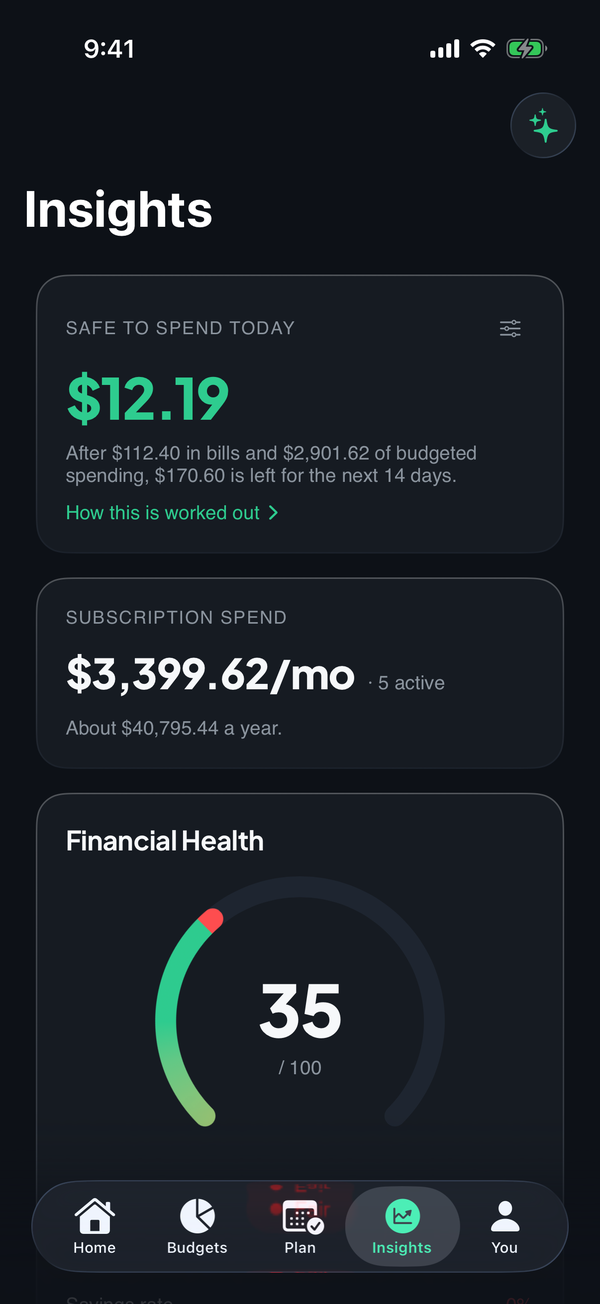
- Check what is safe to spend. Safe to Spend shows one number after bills and budgets, so you can see the weekly amount still fits.
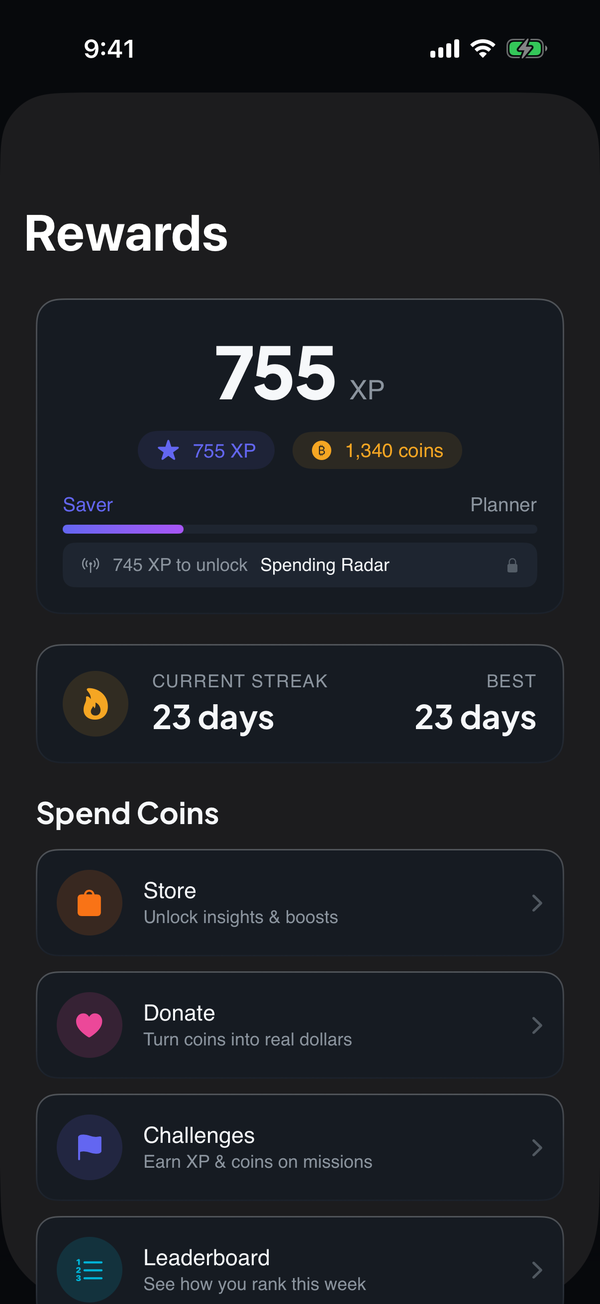
- Keep the habit. A daily streak and small missions make checking in feel less like a chore.
See what Money Tree does or download it on the App Store. New users get a 7-day trial of every feature.
Frequently asked questions
How much should I save for a holiday? Start with the trip you want, add up flights or fuel, a place to stay, food and spending money, then divide by the weeks you have. The total matters less than having a number.
Is it better to save weekly or monthly? Many people find weekly easier because the amount is smaller and a missed week is quick to fix. Pick the rhythm that matches when you get paid.
What if I fall behind on my holiday fund? Do not quit the plan. Add the missed amount to the weeks you have left, or move the trip a little later. A late holiday beats one on a credit card.
Money Tree is a personal finance tool, not financial advice. This article is general information and doesn't take your circumstances into account.